
.jpeg)
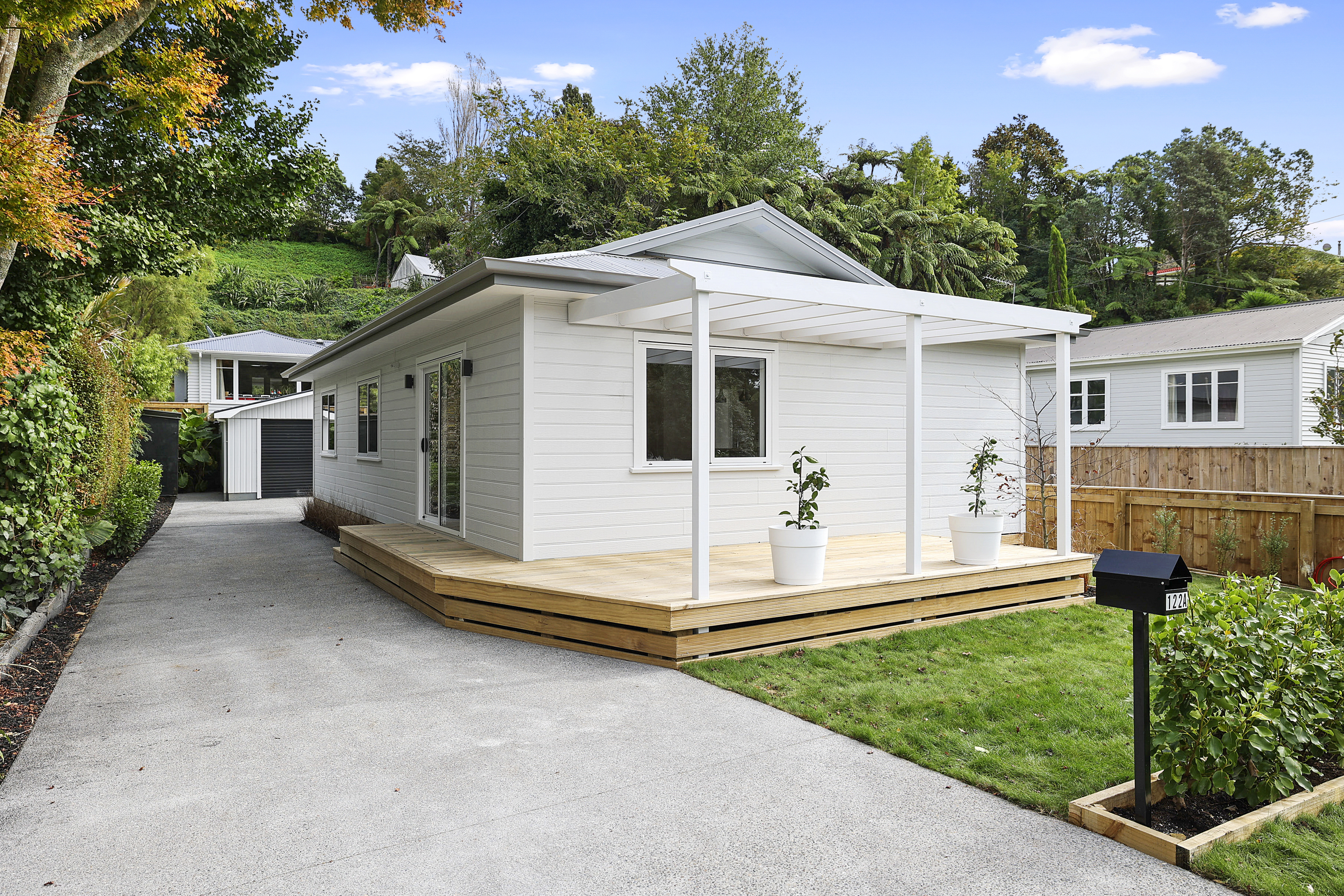
If you’ve ever tried to build a home, you’ve probably heard one phrase more than any other:
“Sorry, that’s an RMA thing.”
For years, the Resource Management Act 1991 (RMA) has been blamed for slow consents, complex rules, and big delays for housing and infrastructure. The Government has now confirmed a major shift: the RMA is being replaced with two new laws and a new planning system that will roll out over the next few years.
This is good news if you’re thinking about a new home or minor dwelling—especially if you’re considering a factory-built, transportable home.
This article explains what’s changing, when it’s happening, and what it means for people in the early stages of planning a build.
Why the Old RMA Is Being Replaced
The current planning system has become slow, inconsistent, and difficult to use. Under the RMA, New Zealand ended up with:
- Over 100 different plans across the country
- More than 1,100 different zones
- Councils spending huge amounts of time on small, low-risk consents
- Expensive and unpredictable decision-making
At the same time, environmental outcomes weren’t improving as expected.
The new planning system aims to:
- Make it easier to get homes and infrastructure built
- Provide clearer, more consistent rules
- Strengthen environmental protections with clearer limits
- Put property rights and fair, targeted regulation at the centre of the system
The Two New Laws Replacing the RMA
The Planning Bill
This Bill focuses on:
- How land can be used and developed
- Housing, business, and infrastructure
- Ensuring land use doesn’t unreasonably affect neighbours
In simple terms: this Bill shapes what you can build, where you can build it, and the rules that apply to your property.
The Natural Environment Bill
This Bill focuses on:
- Protecting and enhancing air, water, soil, and biodiversity
- Setting environmental limits
- Managing discharges and resource use
In simple terms: this Bill ensures growth happens within clear environmental boundaries.
The Funnel System: Fewer Debates, More Certainty
One of the biggest shifts is how decisions will be made. The new system uses a funnel structure:
-
1. Clear goals at the top
2. National rules in the middle
3. Regional combined plans at the bottom
What this means for homeowners:
- More activities will simply be permitted
- Fewer consents will be needed
- You’ll know earlier in your project what is likely to be allowed
What Will Be Regulated (And What Won’t)
In scope:
- Natural hazard risks
- Neighbour-to-neighbour impacts like noise, vibration and shading
- Effects related to housing and infrastructure
Out of scope:
- Internal building layout
- Private views
- Generalised visual amenity concerns
- Effects on competing businesses
Standardised Zones and One Plan Per Region
Regions will move to:
- One combined plan
- Nationally standardised zones and overlays
- Clearer expectations for homeowners and developers
Fewer and Faster Consents (Over Time)
The updated activity categories:
- Permitted
- Restricted discretionary
- Discretionary
- Prohibited
This change aims to make the consent process faster and more predictable.
How This Connects to Minor Dwellings and Granny Flats
A separate change will allow some standalone dwellings up to 70m² to be built without a building consent under strict conditions.
The RMA replacement affects planning rules; the 70m² exemption affects building consent rules. Over time, the two changes will work together to offer more flexible housing options.
What This Means if You’re Considering a Manor Build Home
Manor Build continues to follow a clear, predictable process:
- Building consent for the home
- Site / relocation consent
- Factory construction (typically 10–12 weeks)
- Delivery and final site works
As the new planning system rolls out, you can expect clearer zoning, fewer grey areas, and more streamlined decision-making.
When These Changes Are Happening
Simplified timeline:
- Late 2025 – Bills introduced
- Mid-2026 – Transition begins
- Late 2026 / early 2027 – National direction released
- 2027–2028 – Spatial plans developed
- 2028–2029 – New plans notified and full system switch-on
What You Should Do Now if You’re in the Early Stages
1. Understand your land
2. Decide the type of home you want
3. Talk through consents early
4. Use providers tracking the changes
FAQs
Does RMA reform mean I won’t need consents?
No. The system still has consents, but aims to reduce how often they’re required.
Will this make my project faster?
The reforms are designed to improve certainty. Actual timelines still depend on your site and project.
Does this change my building consent?
No. Building consents still apply as usual.
Should I wait for the new laws before starting?
No. You can begin now; transition rules will apply.
Ready to Talk About a Home Under the New Planning System?
Book a free Discovery chat to talk through your site, your ideas, and the best approach under the changing planning system.