From 15 January 2026, granny flats (minor dwellings) up to 70m² can be built under a new consent‑exempt pathway, as long as the design stays within specific limits.
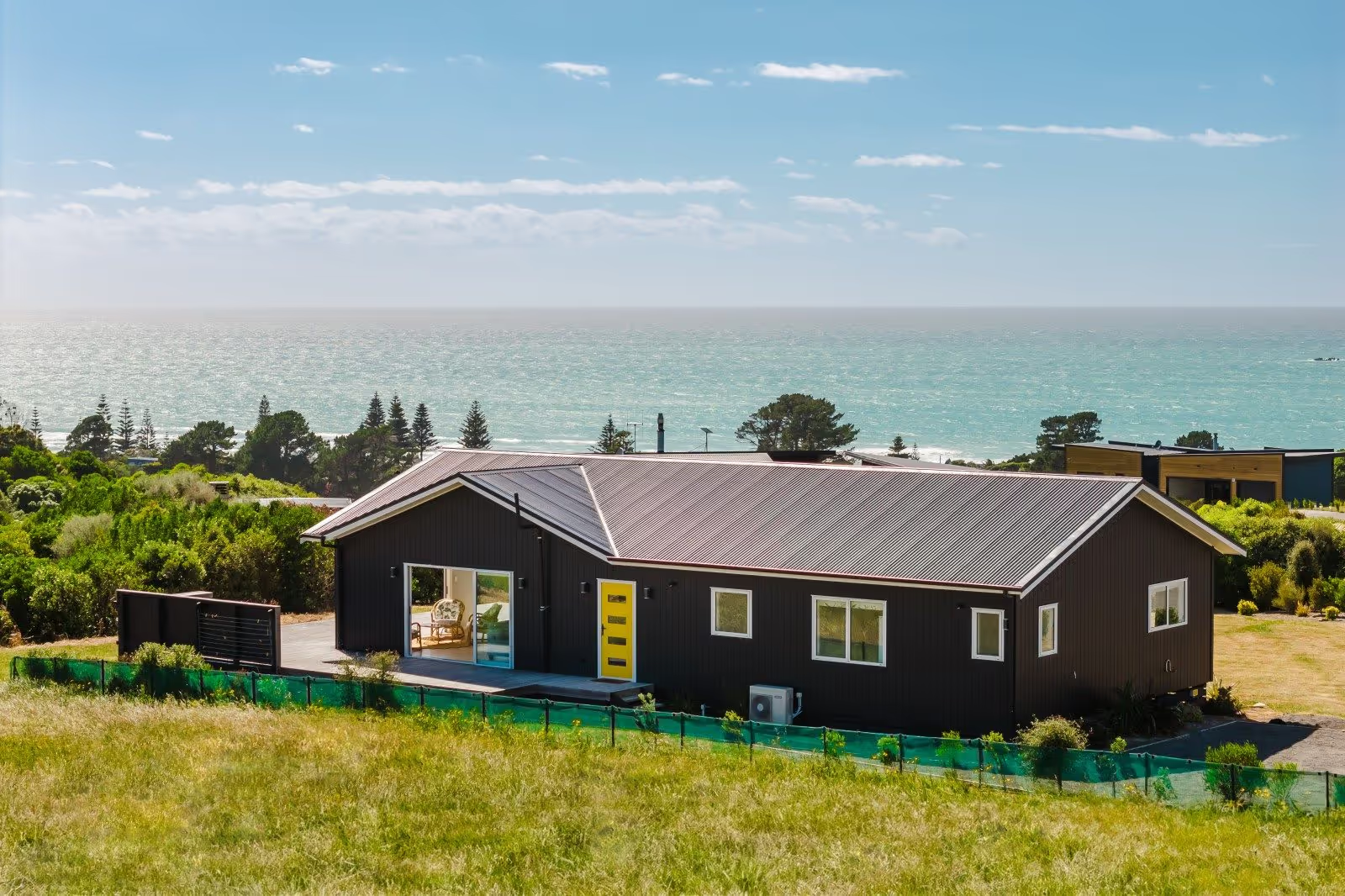
At Manor Build, we’ve now completed a consent‑exempt build under the new rules. That matters, because “consent‑exempt” doesn’t mean “no rules” it means the rules have to be met cleanly from day one.
This blog shares what we learned going through the process, what compliance actually requires at the design and build stage, and how we make sure every consent‑exempt home we produce is built to meet the criteria.
Why people are moving fast
If you’ve ever looked into adding a minor dwelling, you’ll know the biggest friction points usually aren’t the idea it’s the process:
- The time it takes to get through approvals
- The back‑and‑forth that slows everything down
- The “unknowns” that make it hard to plan confidently
The new exemption pathway is designed to remove a big chunk of that friction, when the design is compliant from day one.
And that’s the key: the opportunity isn’t just “build a granny flat.” It's to build the right granny flat, one that’s intentionally designed to fit the exemption criteria.
What “consent‑exempt” changes in the real world
Let’s keep this practical.
Even with the new rules, building a granny flat still involves real work, design decisions, coordination, and a clear plan.
But where the exemption pathway can make a difference is in the drag that often shows up in a consented build.
Real‑world examples: time + cost savings (best‑case)
From recent real builds, the difference can look like this:
- Consented build: ~162 days (5.2 months)
- Consent‑exempt build: ~113 days (3.6 months)
- Time saved: ~49 days faster
And on the pre‑construction side:
- Consented pathway fees (example): ~$13,700
- Consent‑exempt pathway fees (example): ~$2,500
- Estimated saving: ~$11,200 less (about an 82% reduction)
Important note: these figures are best‑case examples based on real builds and typical steps. Every site and project is different.
What we learned building under the new pathway
The biggest lesson: consent‑exempt is won or lost in the details.
Because you’re not relying on a traditional consent process to “catch” issues, your design and build process needs to be set up to manage compliance proactively.
Here’s what matters most in practice.
1) Compliance starts at design
The exemption pathway rewards homes that are designed to fit the criteria from the start.
Trying to retrofit compliance later is where projects get messy: redesigns, delays, and cost blowouts.
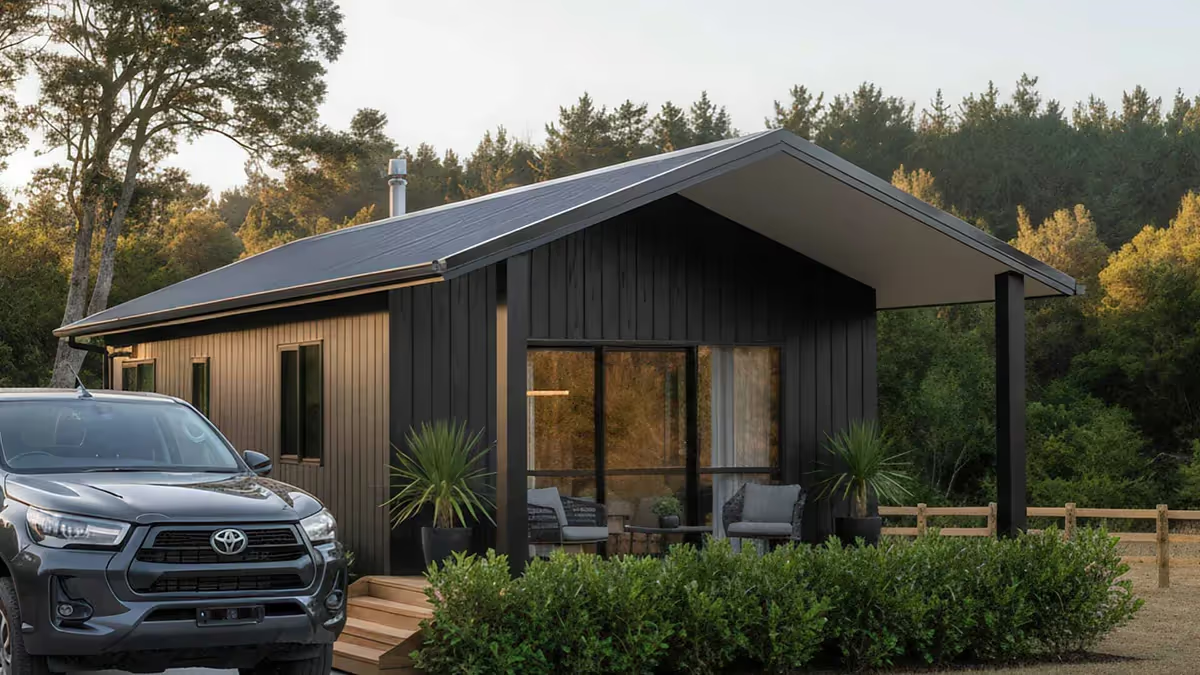
That’s why we’ve built a dedicated range of 1, 2 and 3 bedroom transportable designs created to align with the new 70m² exemption pathway.
2) Build quality and documentation matter more than ever
A consent‑exempt pathway doesn’t remove responsibility.
You still need confidence that what’s been built matches what was designed, and that it meets the criteria.
That means tighter checks during the build, and clear documentation at the end.
3) Your time is still a cost, but there are fewer places to stall
One of the biggest hidden costs in a consented build is the time that doesn’t show up neatly on a timeline.
Things like:
- Calls and coordination with designers and specialists
- Repeated admin and documentation steps
- Back‑and‑forth questions and clarifications
- Waiting on process hold points
A consent‑exempt pathway doesn’t remove every moving part, but it can reduce the number of steps where projects typically stall.
How we make sure every consent‑exempt home meets the criteria
Consent‑exempt doesn’t mean “hope for the best.” It means you need a process you can stand behind.
That’s why we’ve built an internal inspection process specifically for consent‑exempt homes.
Our internal inspection process
For every consent‑exempt home we produce, we:
- Check the design against the exemption criteria before the build begins
- Run structured inspections during the build to confirm the home is being built as designed
- Complete a final inspection at the end
The differentiator: a full inspection report for the client
At the end of the build, we provide the client with a full inspection report.
It’s a practical, plain‑English record of what was checked and confirmed, giving you confidence that your home has been built to meet the consent‑exempt criteria.
Want to build a granny flat under 70m²?
If you’re exploring a granny flat, minor dwelling, downsizer home, or prefab cottage under the new 2026 exemption pathway, we can help you figure out what’s possible — and what design approach will keep things simple.
Get in touch with Manor Build and we’ll talk through your goals, your site, and the best design to suit.