Update – October 2025
Great news for homeowners and landowners! The New Zealand Government has now passed new laws allowing small standalone dwellings — often called granny flats or minor dwellings — of up to 70 square metres to be built without needing a building consent.
This reform, part of the Building and Construction (Small Standalone Dwellings) Bill, delivers on the Coalition Government’s housing action plan and will take effect in early 2026. It’s designed to make it simpler, faster, and more affordable for Kiwis to create additional housing on their properties.
Key details you should know
- No building consent required for simple, single-storey dwellings up to 70 m² that meet the Building Code.
- All work must be completed or supervised by Licensed Building Practitioners (LBPs), with full records of work.
- Resource consent will also be removed under updated Resource Management Act (RMA) direction, expected to be finalised by the end of 2025.
- Homeowners must notify their local council before construction starts and again once it’s complete.
- The Government expects the exemption to enable around 13,000 new granny flats over the next decade, boosting both housing supply and construction-sector productivity.
- Councils can still charge development contributions when issuing a Project Information Memorandum (PIM) to support local infrastructure.
When the new rules start
The exemption officially comes into force in Q1 2026, but you can start planning now. Talk to your designer or builder to see how your project can qualify under the new exemption.
If your build is already underway or will start before the new law takes effect, you’ll still need a standard building consent.
Note: The content that follows was first published before the law was finalised, when the exemption was still proposed. It remains a helpful reference for understanding the design and compliance principles that shaped the final legislation.
The first Bill has passed with the below but that does not guarantee that some of these conditions will be the same in the final law changes. Keep in touch if you're planning a project and we'll keep an eye on the details for you.
What kind of dwelling qualifies?
To be exempt from needing a consent, your dwelling must:
- Be new, standalone, and single-storey (you can include an internal garage if you wish).
- Be self-contained, meaning it has all the essentials like a kitchen and bathroom.
- Be intended for a single household or family.
Size and location rules
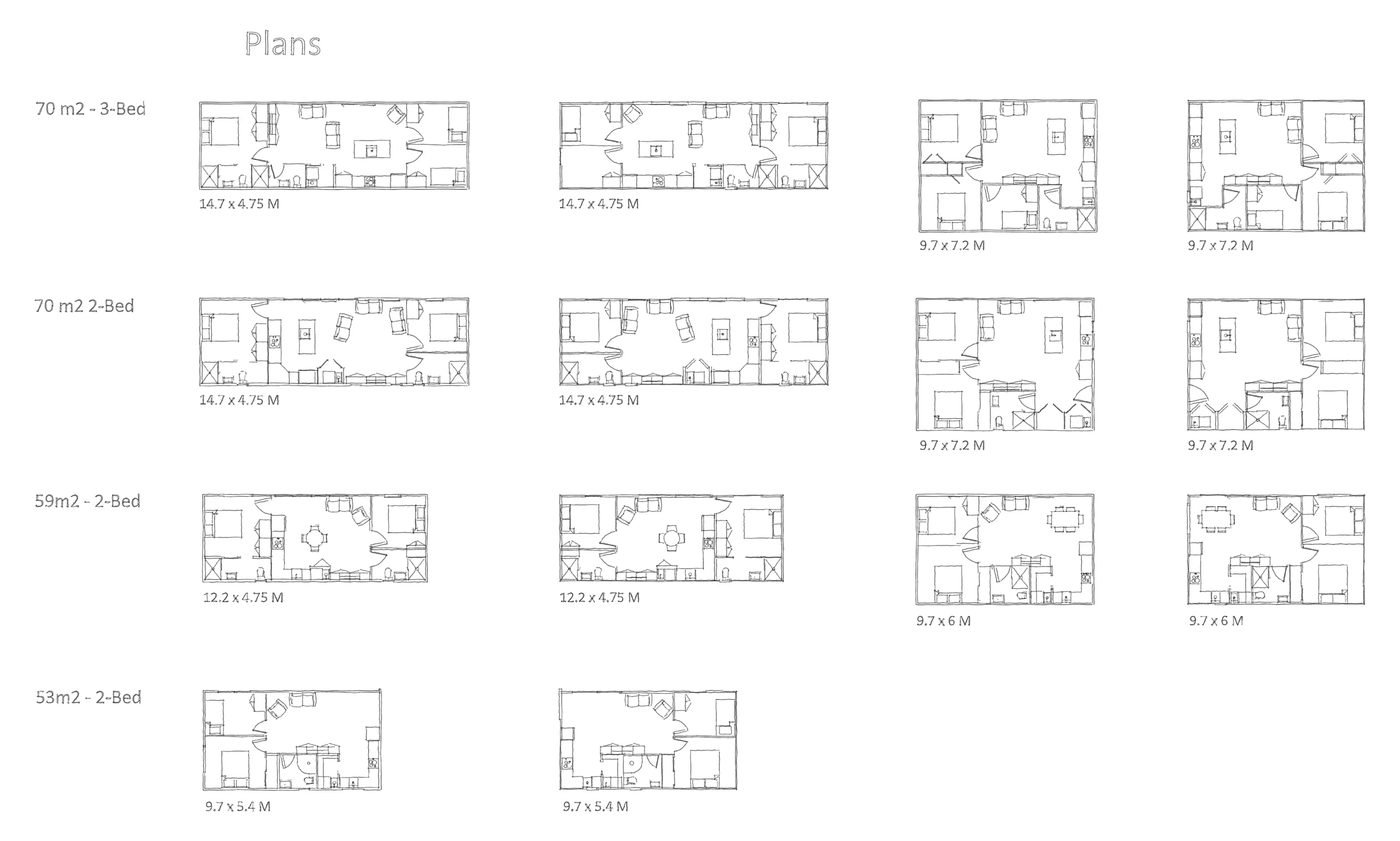
- The dwelling can be up to 70 square metres in size. This is great news because you can even build a compact 3 bedroom home in this footprint.
- The floor level must be no higher than 1 metre above ground, and the total height no more than 4 metres above floor level. This is very standard.
- It must be built at least 2 metres away from any other building or boundary.
- You cannot build across property boundaries.
Construction and materials
To keep things simple and low risk, your dwelling must be made from lightweight materials:
- The roof must be built using materials weighing no more than 20kg per square metre. Long run steel or steel tiles would comply.
- The frame can be light steel or timber. (no structural steel)
- The wall cladding must weigh less than 220kg per square metre. This means no brick or stone, but products like Weathertex and BGC Fibre Cement would work fine.
Plumbing and power
To meet safety standards, your home needs:
- Simple plumbing and drainage systems following New Zealand’s Building Code.
- Water systems that connect to existing networks where available.
- Independent electricity and gas supplies (if applicable).
- Heating via electric or gas heaters.
Level-entry showers will only be allowed once new licensing for builders is established.
Licensed builders required
Even though you won’t need a consent, your home must be built or supervised by licensed professionals like plumbers, electricians, and builders. You will need a Record of Work, Certificate of Work, and energy work certificates to document compliance.
Notifying the Council
You must tell your local council before starting and again once the home is complete. Before construction, you must submit a Project Information Memorandum (PIM), which helps councils track developments and assess risks like natural hazards. You’ll have two years to complete the build before the PIM expires.
When your home is done, you must send your council plans of the final design within 20 working days. If you don’t provide the required documentation, you could face penalties.
When does this take effect?
The new exemption is expected to become law in early 2026. However, work already underway will not qualify, and councils still have the authority to address non-compliant buildings.
If you meet all these conditions, you could save time and money on your dream granny flat—without the hassle of getting a building consent
Manor Build minor dwellings
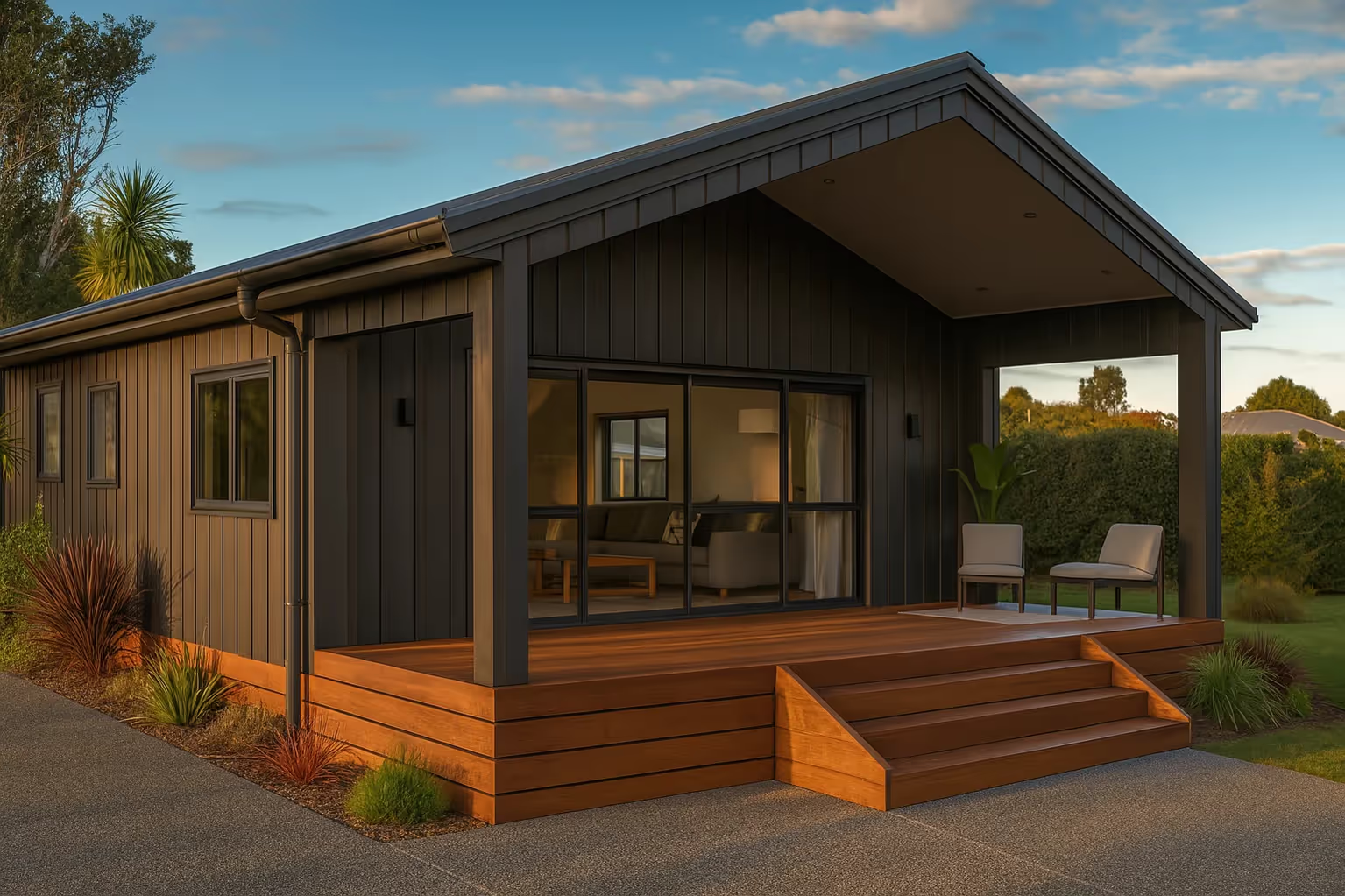
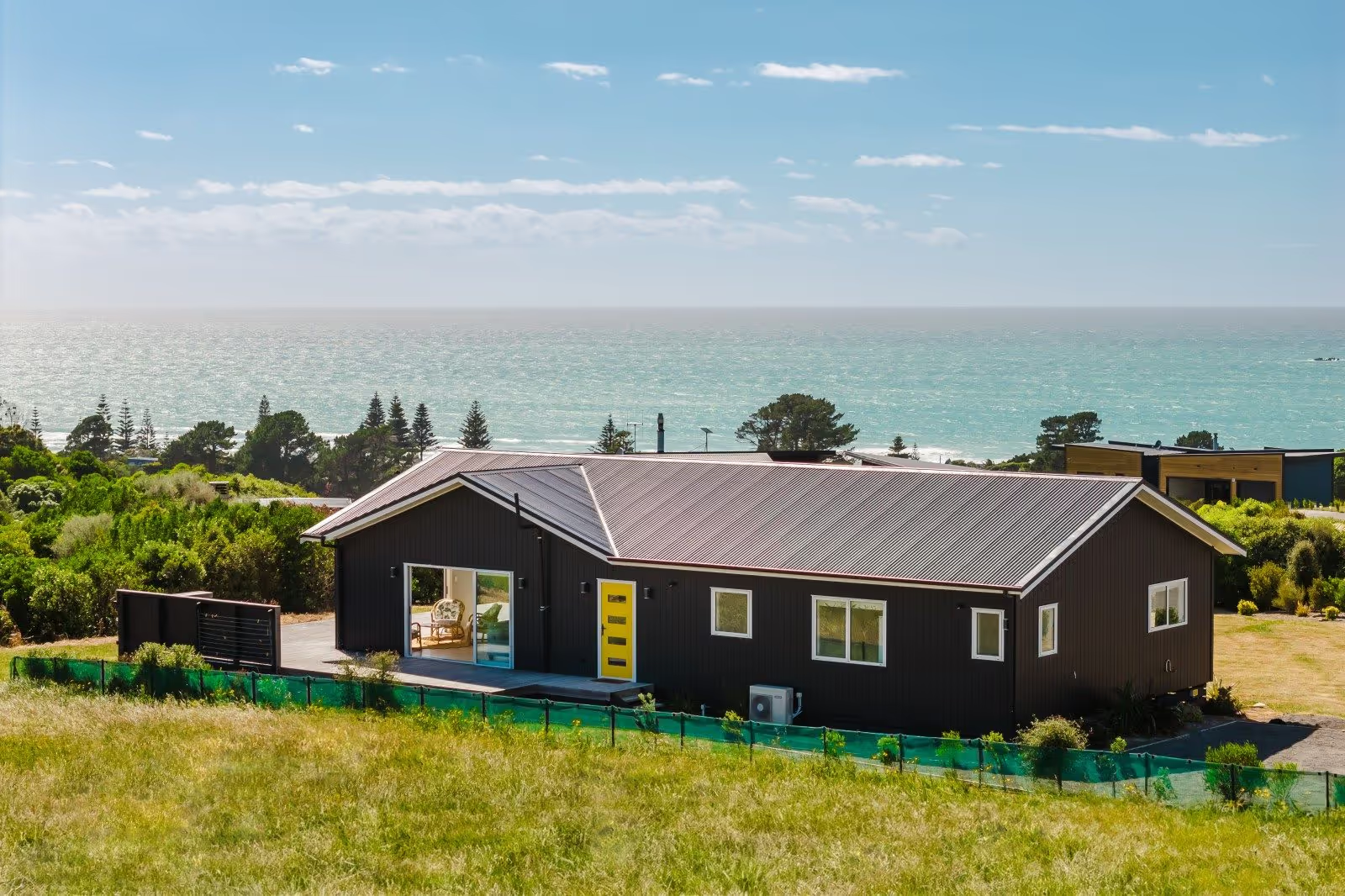
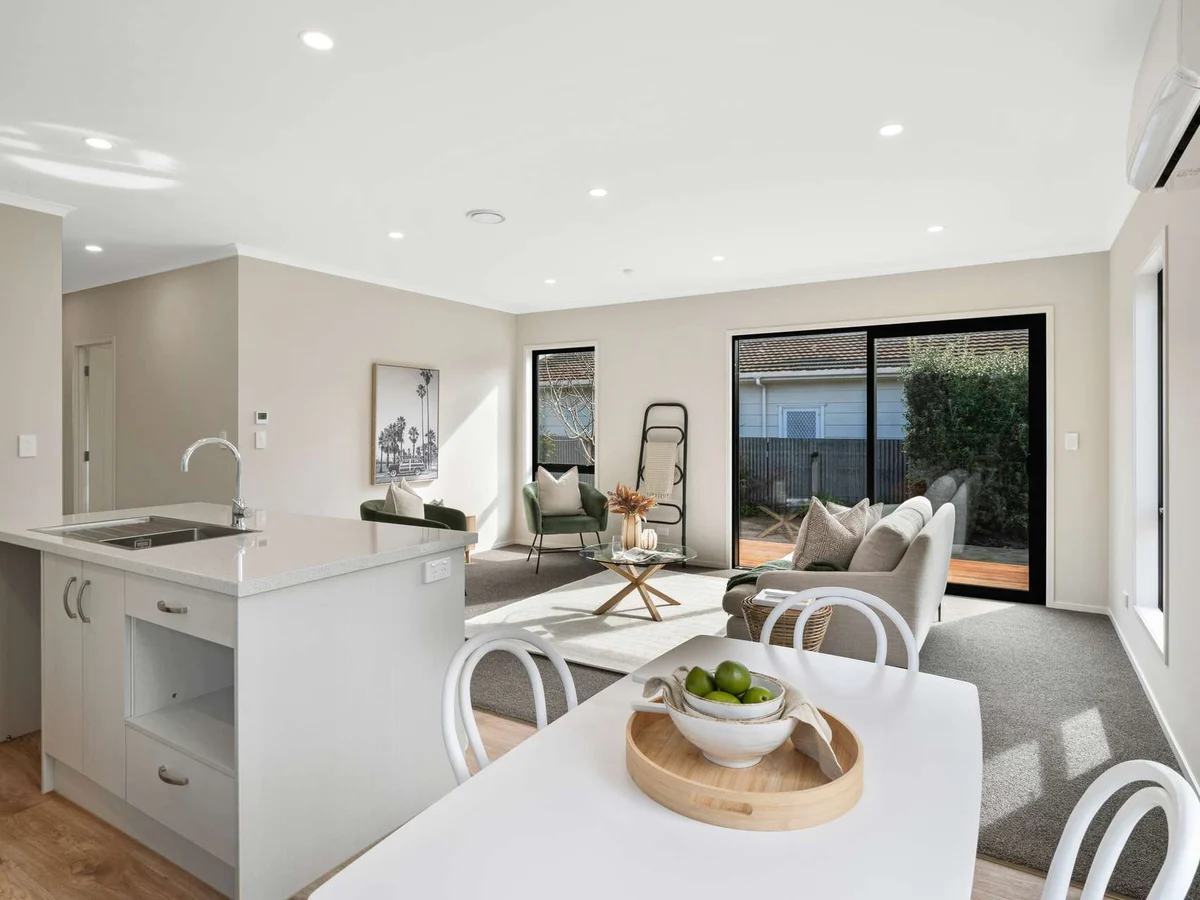
Manor Build have many options to build your Minor Dwelling and meet all the above regulations. Watch this space for an entirely new range coming out specifically to meet these requirements and make it easy to purchase your dream Granny Flat. In the meantime if you want to start the design process please reach out.