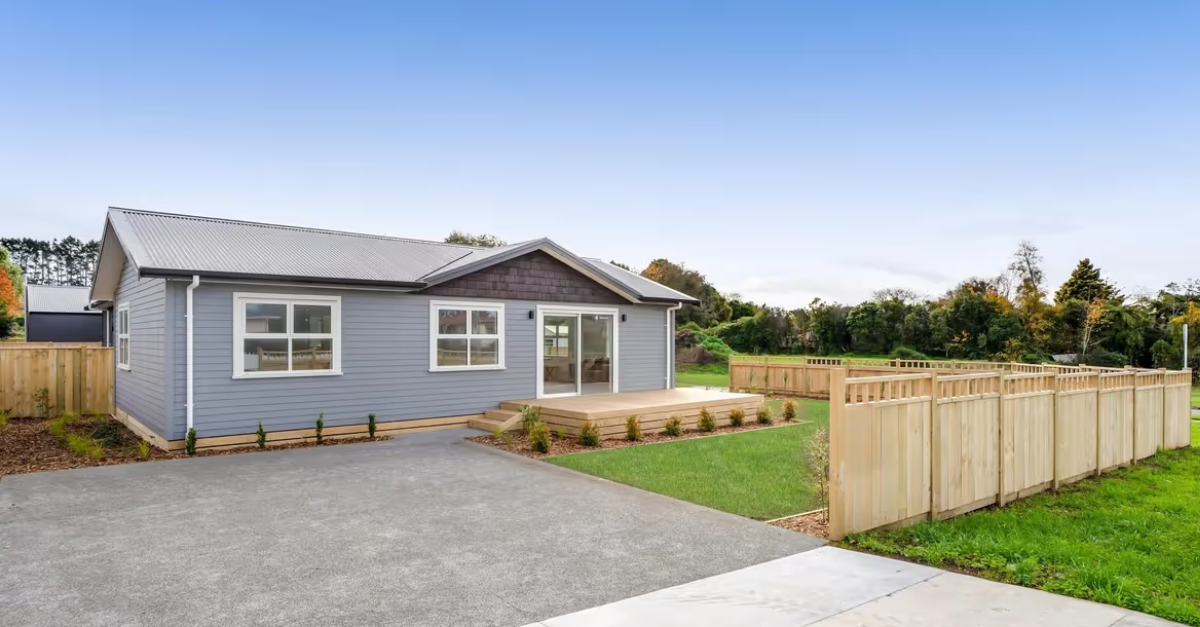
If you've been searching "can I subdivide and build on my section," there's a good chance the answer to the question you're actually trying to solve has changed. For many homeowners, subdivision may no longer be the only path to adding a second home on their land.
From 15 January 2026, new national rules came into force that mean many eligible minor dwellings of up to 70m² can be added in residential, rural, mixed-use or Māori purpose zones without a building consent and without a resource consent, provided the project meets the separate building and planning conditions for each. For many people, that changes the calculation entirely.
But it's important to be clear about what changed and what didn't. Subdivision is a completely separate process, and none of these new rules affect it. If your goal is to create a separate, sellable title, you still need to go through a subdivision. What the new rules do is give people a faster, lower-cost path to adding a dwelling when a separate title isn't the point.
This article explains both options clearly, so you can choose the right path for your situation.
What Is Subdividing and Why Hasn't That Changed?
Subdividing is the legal process of dividing a single property title into two or more separate titles. It is governed by the Resource Management Act and administered through your local council. It has always required resource consent in most cases, and that remains true today.
The new national rules that came into force in January 2026 changed two things: building consent requirements for small dwellings, and resource consent requirements for minor dwellings added to an existing section. Neither of those changes touches subdivision. Creating a new, standalone, separately-titled section with its own dwelling is still a subdivision. It still requires resource consent and building consent. If you want to subdivide, and there are good reasons to, particularly if selling the new section independently is the end goal, the process for that hasn't changed.
What Did Change in 2026?
Two new rule sets came into force on 15 January 2026. They operate independently and need to be understood separately.
The building consent exemption (Schedule 1A, Building Act 2004)
A dwelling of up to 70m² can now be built without a building consent, provided all of the following conditions are met:
- It is single-storey and wholly new (not an addition to an existing building)
- The floor area is 70m² or less
- It is set back at least 2 metres from all boundaries and other buildings
- It uses lightweight steel or timber framing
- The roof is lightweight (no more than 20kg/m²)
- The wall cladding is lightweight (no more than 220kg/m²)
- Water and drainage connect to a network utility or a compliant on-site system
- There are no Building Code waivers or modifications
This is not a lower standard of construction, the Building Code applies in full. What changes is the process. Instead of a full building consent, a Project Information Memorandum (PIM) must be obtained before work starts. A Licensed Building Practitioner must design and supervise the build. Documentation is submitted within 20 working days of completion.
Note: the 2-metre setback above is the building-consent-exemption condition under Schedule 1A. The NES-DMRU resource consent exemption has its own separate zone-based setback standards; those also need to be checked for your site and zone.
The resource consent exemption (NES-DMRU)
A new National Environmental Standard means that one minor dwelling of up to 70m² can be added to a section in residential, rural, mixed use, or Māori purpose zones as a permitted activity , no resource consent required, provided the dwelling:
- Is a secondary dwelling on the same site as the existing main home (not a standalone primary dwelling)
- Is in common ownership with the main home
- Meets the size and setback standards under the new regulations (boundary setbacks differ between residential and rural zones, check the specific requirements for your zone)
These two frameworks, building consent and resource consent, operate entirely independently. A build can qualify under both, or under one but not the other, depending on the circumstances.
Why the 70m² Limit Matters and What It Doesn't Change
Before January 2026, whether you could add a second dwelling to your section without resource consent depended heavily on what your district plan said. Some district plans allowed it; many didn't. If your zoning didn't permit a minor dwelling, you needed resource consent and in some zones, it was declined or heavily restricted.
The NES-DMRU creates a national permitted pathway for one qualifying detached minor residential unit of up to 70m², even where some district plans previously made that difficult or impossible. That's a significant change for many property owners who previously had no viable path to adding a second dwelling without a drawn-out resource consent process. Site-specific rules and matters not overridden by the NES-DMRU, ncluding hazards, infrastructure requirements, overlays, and servicing, can still apply.
But the 70m² limit is a hard ceiling for the consent-exempt pathway. If you want to add a second dwelling larger than 70m², and your district plan permits that, you can still do so. The existing consent process applies: building consent and, where required under the district plan, resource consent. Nothing about the new rules removes or restricts the existing pathways for larger consented second dwellings. The new rules add an option; they don't take anything away.
In summary:
- Second dwelling up to 70m²: NES-DMRU permits it in most zones without resource consent. Building consent also potentially exempt under Schedule 1A if all physical conditions are met.
- Second dwelling over 70m²: Standard consents required, as they always have been, but still available where the district plan permits it.
- Zone that previously didn't allow minor dwellings at all: The NES-DMRU now overrides that restriction for one dwelling up to 70m². Anything larger still needs resource consent under the district plan.
The Key Distinction: What Are You Actually Trying to Achieve?
The right path depends on what you need at the end of it.
The new rules do not help you create a separate title, and they do not replace the existing consent pathways for larger dwellings. What they do is create a new, faster, lower-cost option specifically for minor dwellings up to 70m² that will stay on the same title as the main home.
What to Know If You're Adding a Minor Dwelling
If your goal fits the minor dwelling path, here's what the process looks like under the new rules.
Before you start: Your main home must already exist on the site. The new dwelling must be ancillary to it, it cannot be the primary dwelling on a new empty lot. The site must be in a qualifying zone (residential, rural, mixed use, or Māori purpose). Both dwellings must be in common ownership.
The PIM: A Project Information Memorandum must be obtained before work starts. Your builder may help prepare and submit it, but the owner is legally responsible for ensuring the exemption conditions are met. The PIM notifies the council of the project and gives them the opportunity to flag any site-specific issues;hazards, bylaws, infrastructure. It is not an approval. Council does not sign off the build; they provide information. Work proceeds at the owner's risk.
Development contributions: These may still apply. Councils charge development contributions for infrastructure demand; water, wastewater, stormwater, transport. The exemption from building consent does not exempt you from development contributions. Contact your council to find out what applies to your site. These vary by district and sometimes by dwelling size.
The build itself: A Licensed Building Practitioner designs and supervises construction. The full Building Code applies. Documentation is submitted to council within 20 working days of completion.
No Code Compliance Certificate: Consent-exempt builds do not receive a CCC. Some lenders and insurers are still working through how to treat consent-exempt dwellings. This is worth discussing with your bank and insurer before you commit to this path, particularly if you plan to sell the property later.
Factory-built minor dwellings: Further changes for factory-built minor dwellings are expected to improve how factory production and site preparation can be sequenced. Confirm the current rules with your builder before relying on factory manufacture starting before the PIM is issued.
What to Know If You're Subdividing
Subdivision hasn't changed, but it's worth being clear about what it involves.
Resource consent: Required in all cases. Your local council assesses the proposal against the district plan;minimum lot sizes, services, access, building platform suitability, and other rules.
Surveyor: You will need a licensed cadastral surveyor to define the new boundaries and prepare the survey plan.
Professionals involved: Surveyors, your council's planning team, potentially a resource management planner, a property lawyer to handle the title work, and your builder.
Time: Subdivision typically takes considerably longer than adding a minor dwelling under the new exemptions. The resource consent process, survey plan, and title registration each take time, and they largely run in sequence.
Cost: Consent fees, surveyor fees, legal fees, and council engineering requirements all add up. Your council can provide a schedule of fees; a surveyor can give you an estimate of the professional costs.
The outcome: Two (or more) separate titles. Each can be mortgaged, sold, and owned independently.
The Subdivision + Minor Dwelling Sequence:One Important Caution
Some people want to add a minor dwelling now and subdivide later. That's generally possible, but there's one specific situation where it creates complications.
If you build a minor dwelling using the NES-DMRU resource consent exemption, relying on the fact that it is ancillary to your main home on the same site, and you later try to subdivide that dwelling onto its own title, you create a problem. The NES-DMRU requires the dwelling to remain in common ownership on the same site as the principal unit. The moment it's on a separate title, it no longer meets that definition. You may end up with a dwelling that was built without building consent and without a CCC, sitting on a title where the original minor-dwelling planning basis no longer applies. That can create problems for subdivision approval, finance, insurance, and resale.
If you think you might want to subdivide in the future, it's worth talking to a planner before you build, not after. Getting the consent pathway right from the start is much simpler than unpicking it later.
How a Transportable Minor Dwelling Fits In
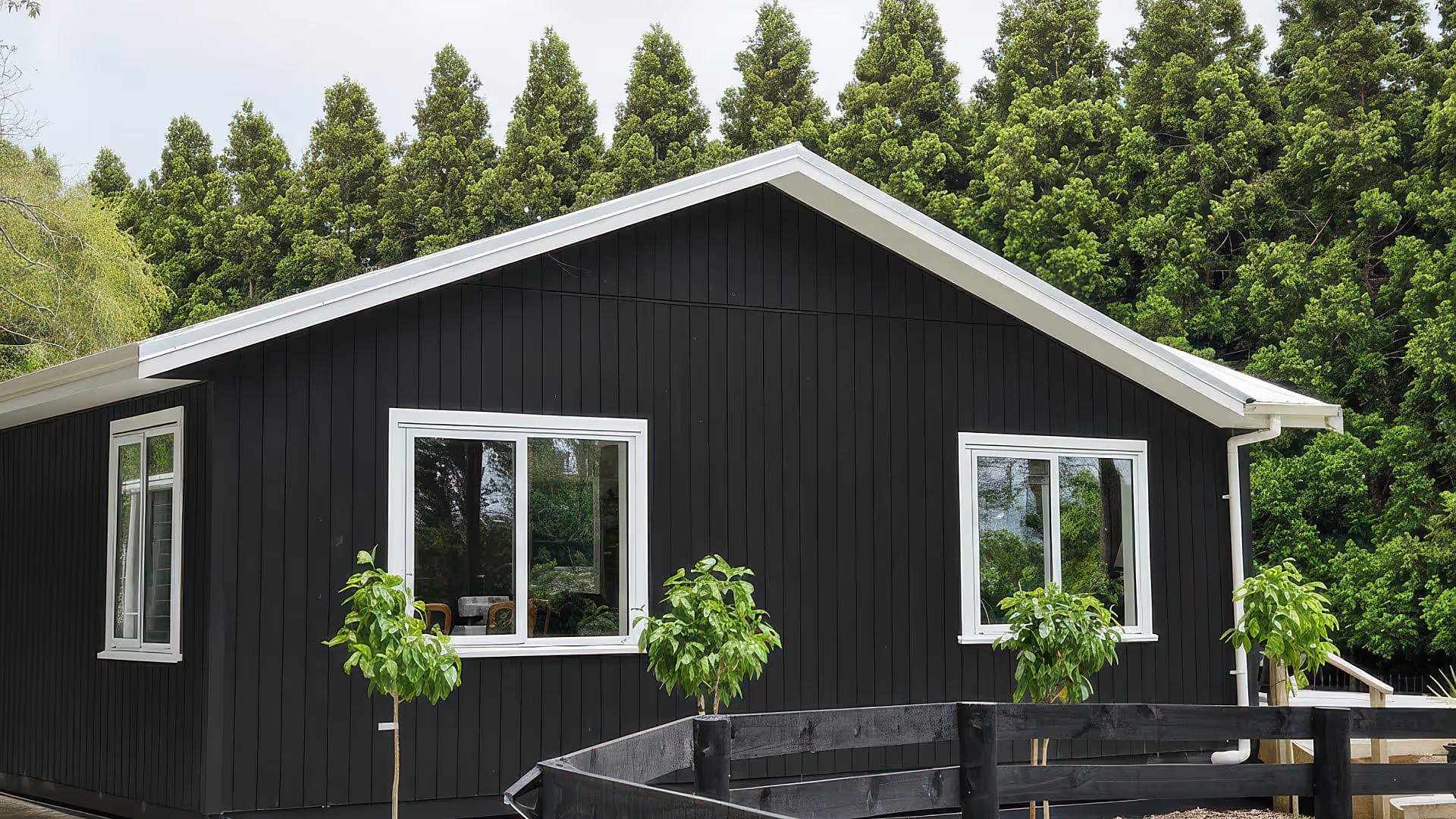
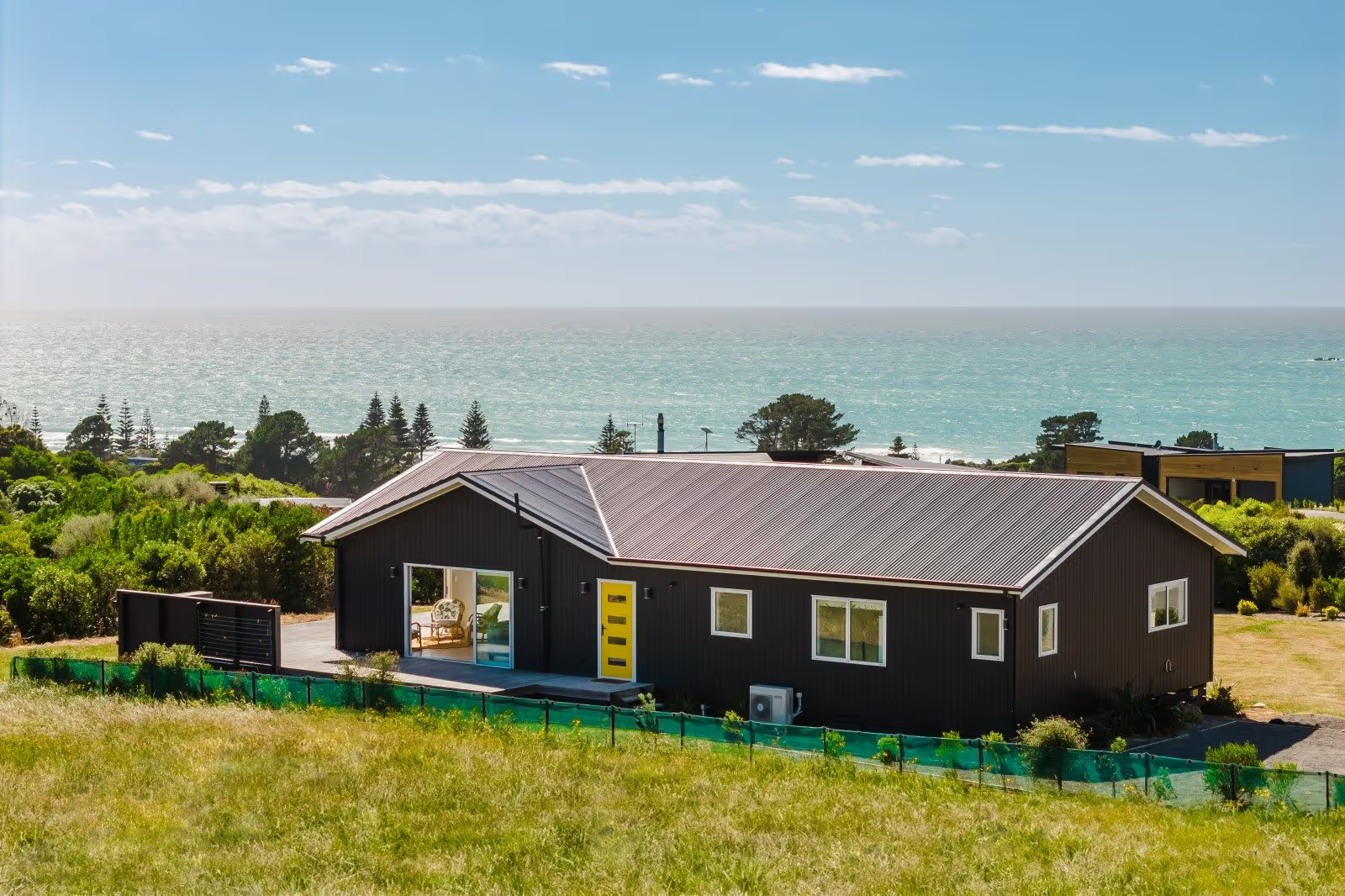
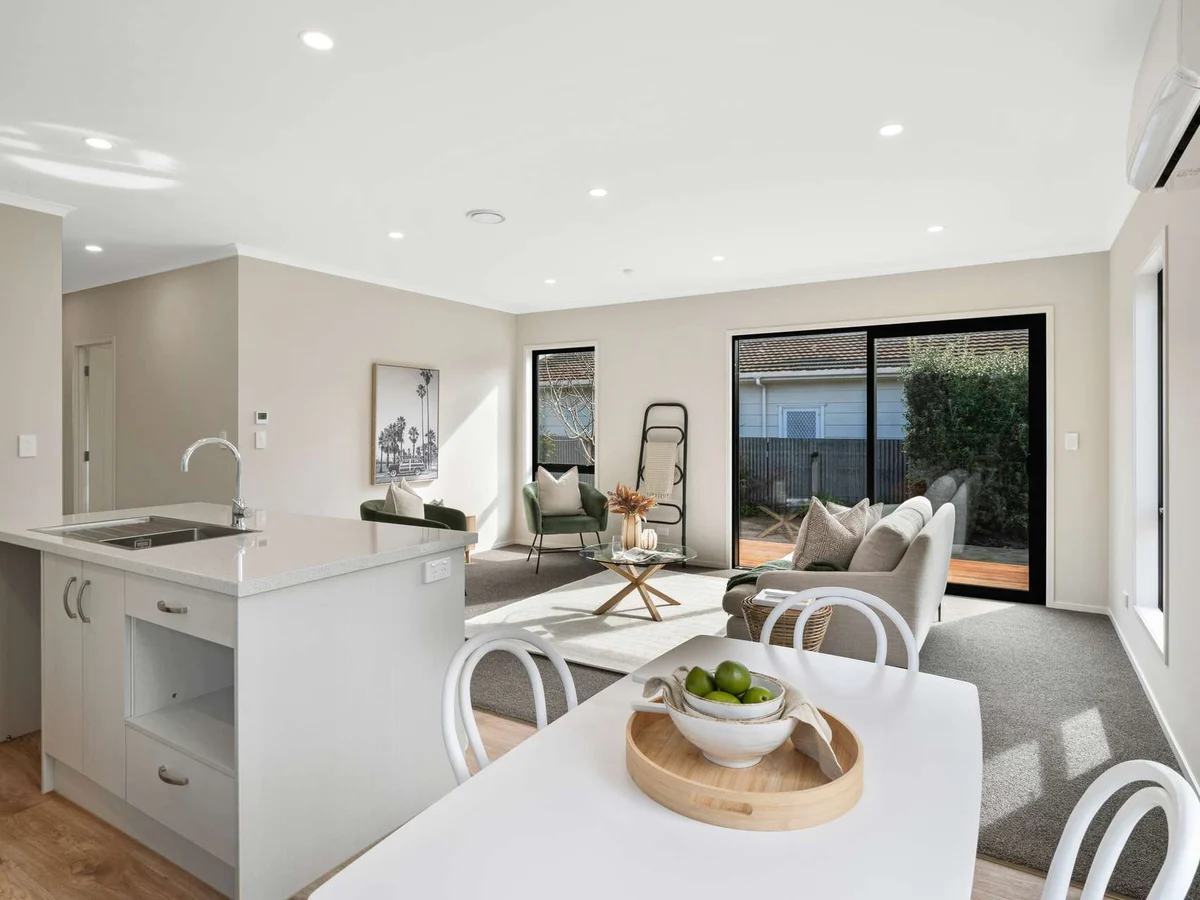
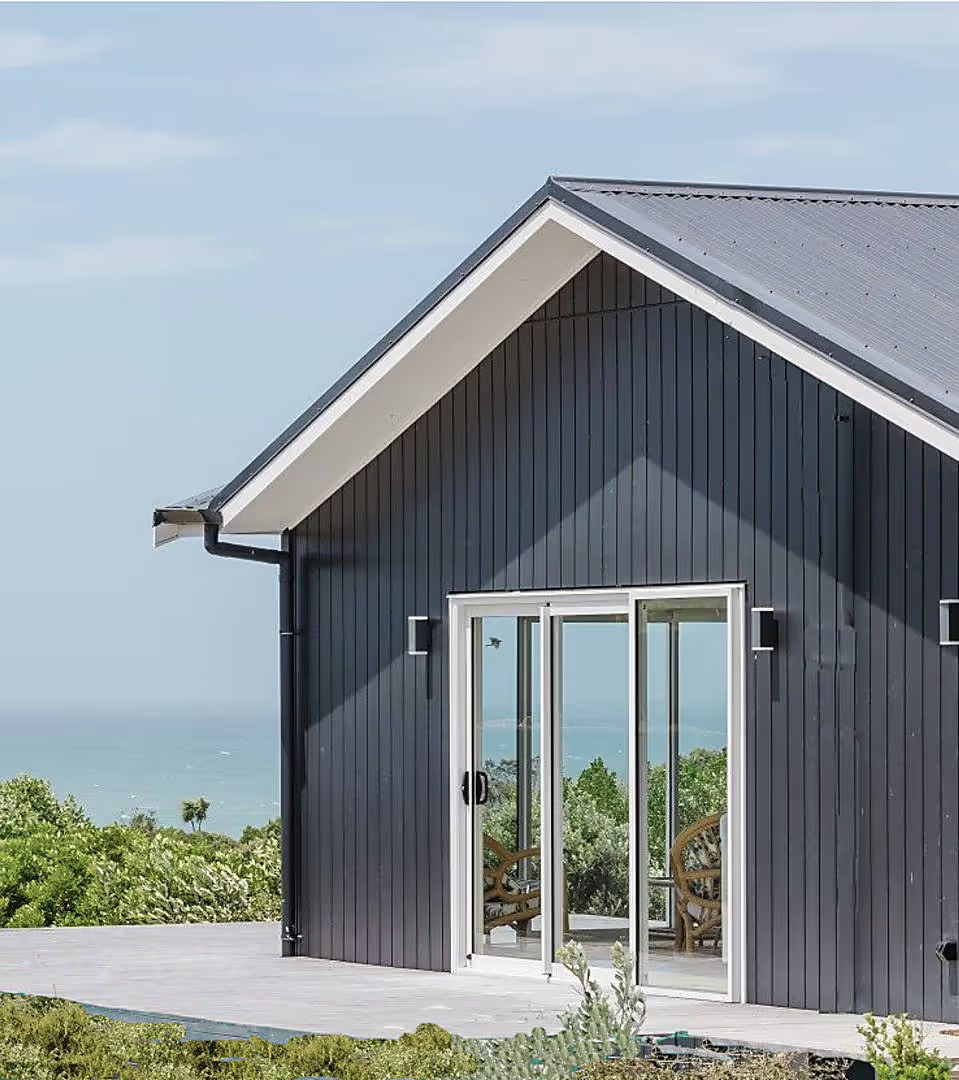
A factory-built minor dwelling is well-suited to the consent-exempt path under the new rules. The building is constructed in a controlled factory environment, supervised by Licensed Building Practitioners, to the full Building Code, the same standard as any other consented build. The difference is process, not quality.
Manor Build's Minor Dwellings range sits within the 70m² threshold and is designed to meet the Schedule 1A conditions. Plans range from compact one-bedroom designs to three-bedroom options at the 70m² ceiling.
Base prices are home only and include GST. Freight and foundations are quoted separately based on your site location and are not included in these figures.
Factory production typically takes around 10–12 weeks. Total project timelines from first conversation to delivery are typically around six months. Where the PIM and factory build can run in parallel, that timeline can reduce further.
Frequently Asked Questions
Do I still need to subdivide to add a second home in 2026?
Not necessarily. If you want the second dwelling to remain on the same title, for family use, rental income, or personal accommodation, you may be able to add it under the new minor dwelling rules without subdividing. Subdivision is still required if you want to create a separate, independently-titled section.
What is the maximum size for a consent-exempt minor dwelling?
70 square metres. The dwelling must also be single-storey, wholly new, use lightweight steel or timber framing, be set back at least 2 metres from all boundaries and other buildings, and meet all other conditions under Schedule 1A of the Building Act 2004. Anything over 70m² requires a standard building consent, but a larger consented second dwelling is still available where your district plan permits it.
My zone didn't allow a second dwelling before. Does that still apply?
In most cases, no not for a dwelling up to 70m². The NES-DMRU creates a national permitted pathway for one qualifying detached minor residential unit of up to 70m² in residential, rural, mixed use, and Māori purpose zones, even where some district plans previously made that difficult or impossible. Site-specific rules and matters not overridden by the NES-DMRU, including hazards, infrastructure, and servicing, can still apply. For anything larger than 70m², the district plan rules apply.
Can I add a minor dwelling and subdivide later?
Possibly, but the pathway matters. If you used the NES-DMRU exemption to add the minor dwelling without resource consent, subdividing it off later creates a compliance problem. If you're thinking about future subdivision, talk to a planner before you build. A subdivision resource consent upfront, covering both dwellings, gives you a cleaner outcome.
Will development contributions still apply?
Yes, in most cases. The consent exemption removes the need for a building consent and, where applicable, a resource consent, but it does not exempt you from development contributions. Your council sets these; amounts vary by district and sometimes by dwelling size. Contact your council early to understand what will apply to your site.
Does a consent-exempt build affect my ability to sell the property or get finance?
Possibly. Consent-exempt builds do not receive a Code Compliance Certificate, which some lenders and insurers treat differently. This is worth discussing with your bank and insurer before you proceed.
What changed for factory-built minor dwellings specifically?
Further changes for factory-built minor dwellings are expected to improve how factory production and site preparation can be sequenced. Confirm the current rules with your builder before relying on factory manufacture starting before the PIM is issued.
Next Steps
If you're considering adding a minor dwelling to your property, or thinking about subdividing and building, the right starting point is understanding which goal you're actually working toward.
The Manor Build team can walk you through the minor dwelling process and help you assess whether a factory-built transportable home suits your site. For subdivision-specific advice, you'll want a licensed surveyor and your local council's planning team involved early.
You can also view our Minor Dwellings range or book a visit to our Port Taranaki showhome to see the build standard in person.
Manor Build | 40 Ocean View Parade, Port Taranaki, New Plymouth | 0800 626 672 | Monday–Friday 8am–4:30pm, Saturdays by appointment
This article is for general information only. Resource consent and building consent rules can vary by district plan and site-specific factors. Always confirm the rules that apply to your specific property with your local council, a licensed surveyor, or a resource management planner before proceeding.