Understanding modular and transportable homes
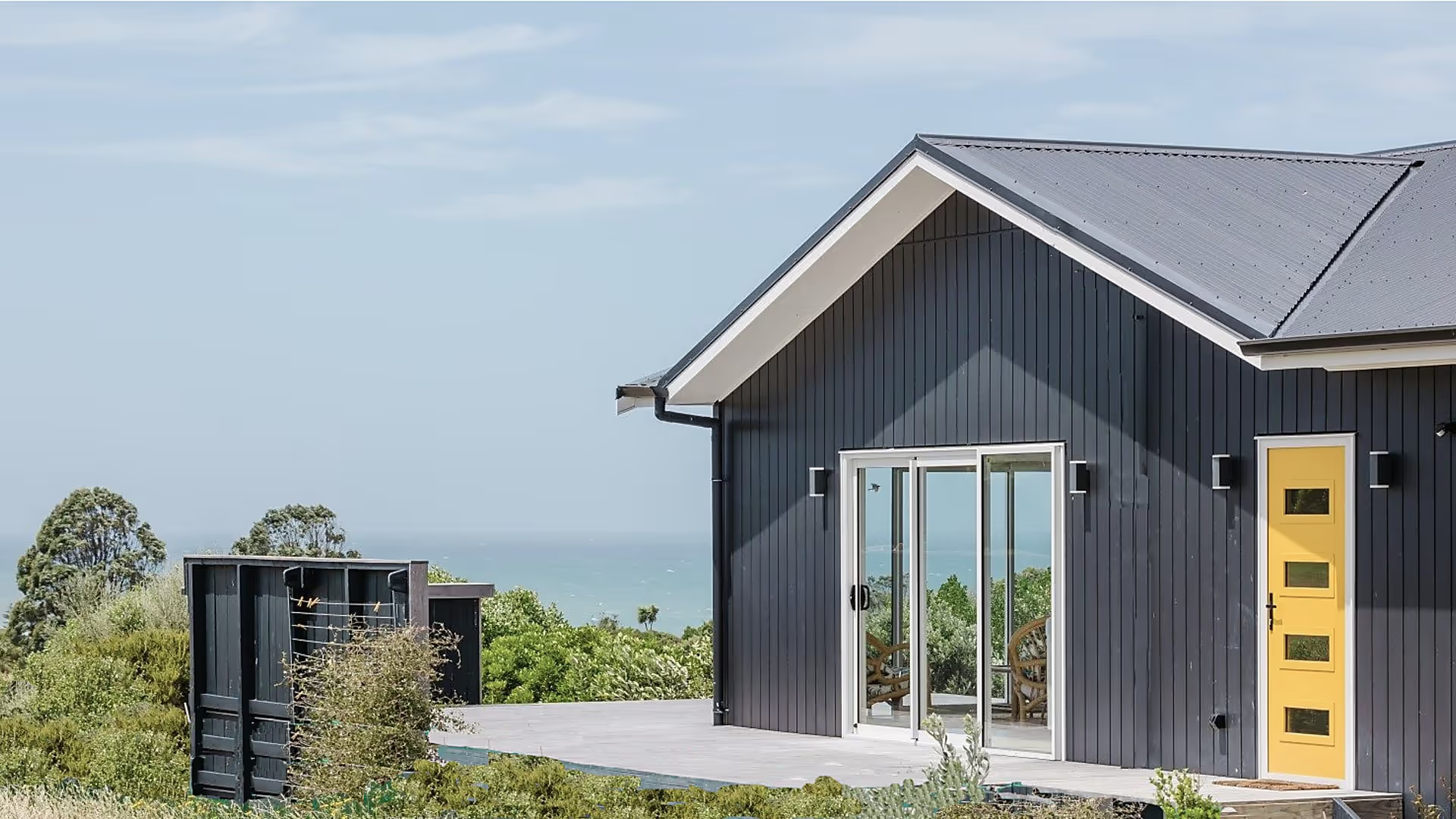
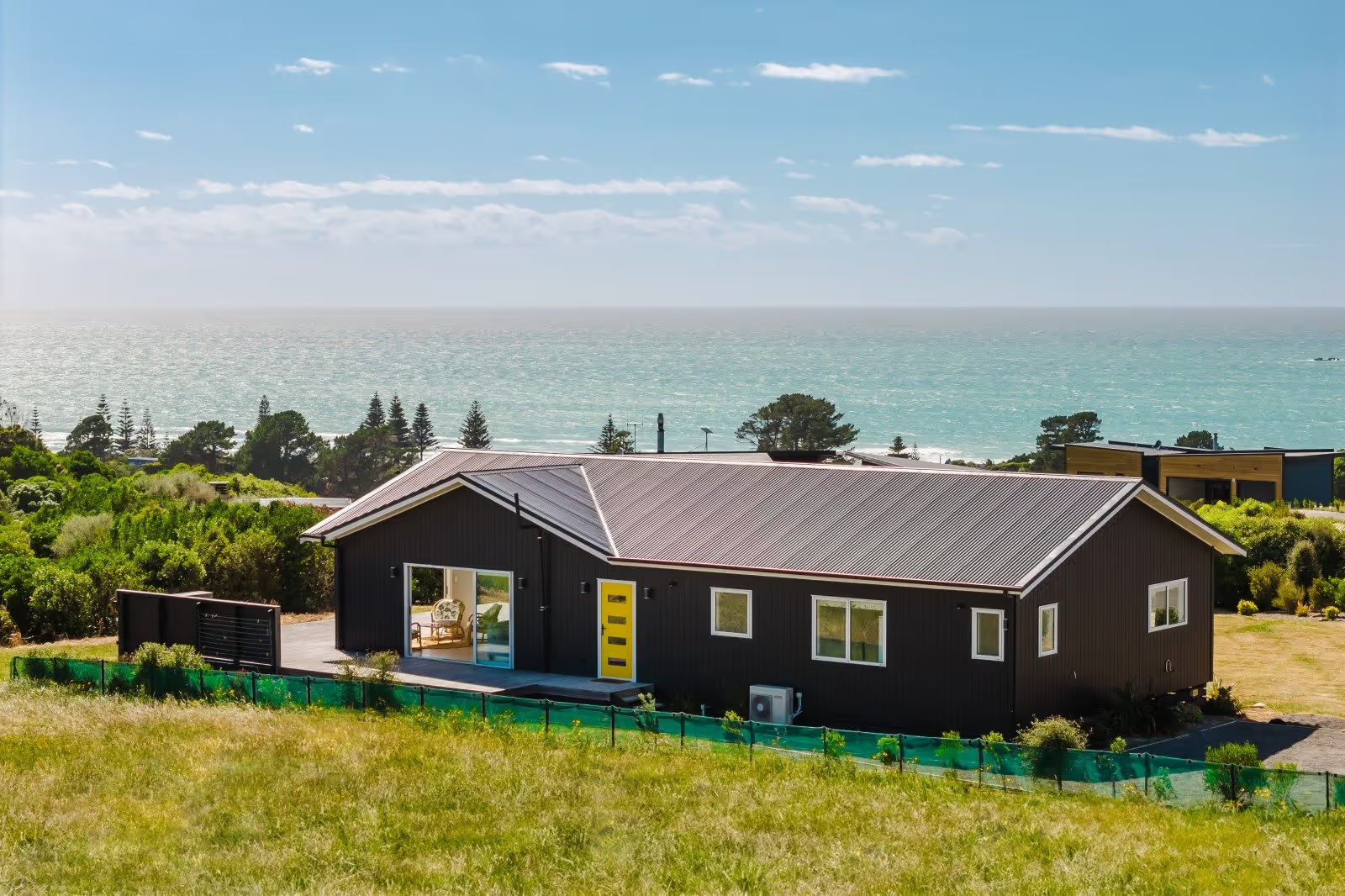
Modular and transportable homes are built in a factory setting and then transported to their final location. At Manor Build, all of our homes are constructed in our purpose built facility in Taranaki. This method of construction has gained popularity due to its efficiency and minimal environmental impact compared to traditional on-site building. These homes are designed in controlled environments, which allows for precise construction, reduced waste, and improved quality control.
The eco-friendly attributes of modular homes
- Reduced Waste: Modular construction dramatically reduces on-site waste. Materials are ordered in pre-measured, specific amounts, and unused materials are recycled in-house. This controlled environment minimises the typical construction waste found in standard home building, which is beneficial for the environment.
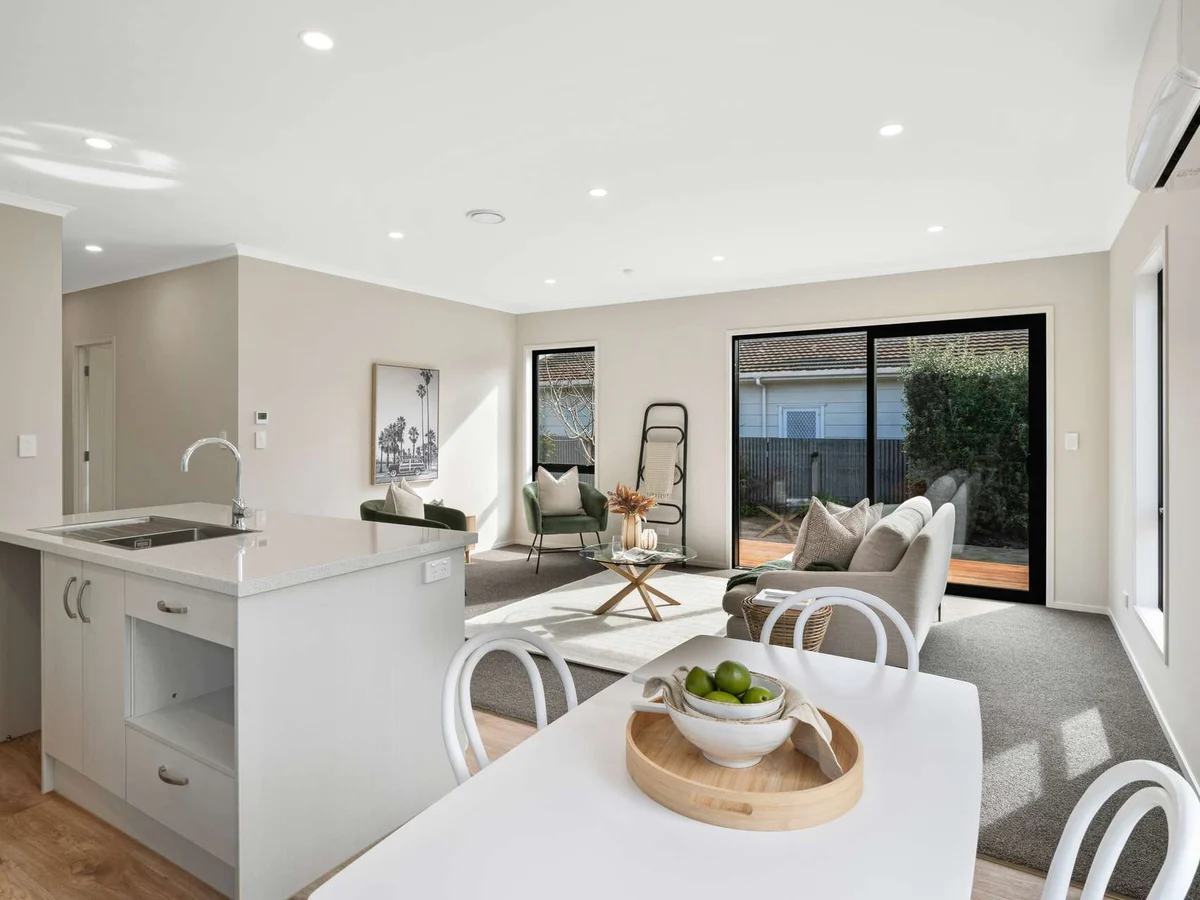
- Energy Efficiency: Manor Build homes are built with integrated energy-efficient features, including high-quality insulation, energy-efficient windows, and sometimes, green appliances. The tight construction standards help prevent air leaks and reduce heating and cooling costs, making these homes inherently more energy-efficient than their traditional counterparts.
- Sustainable Materials: Modular homes frequently use sustainable materials. Manufacturers are increasingly aware of the environmental impact of materials, choosing alternatives that are both sustainable and durable.
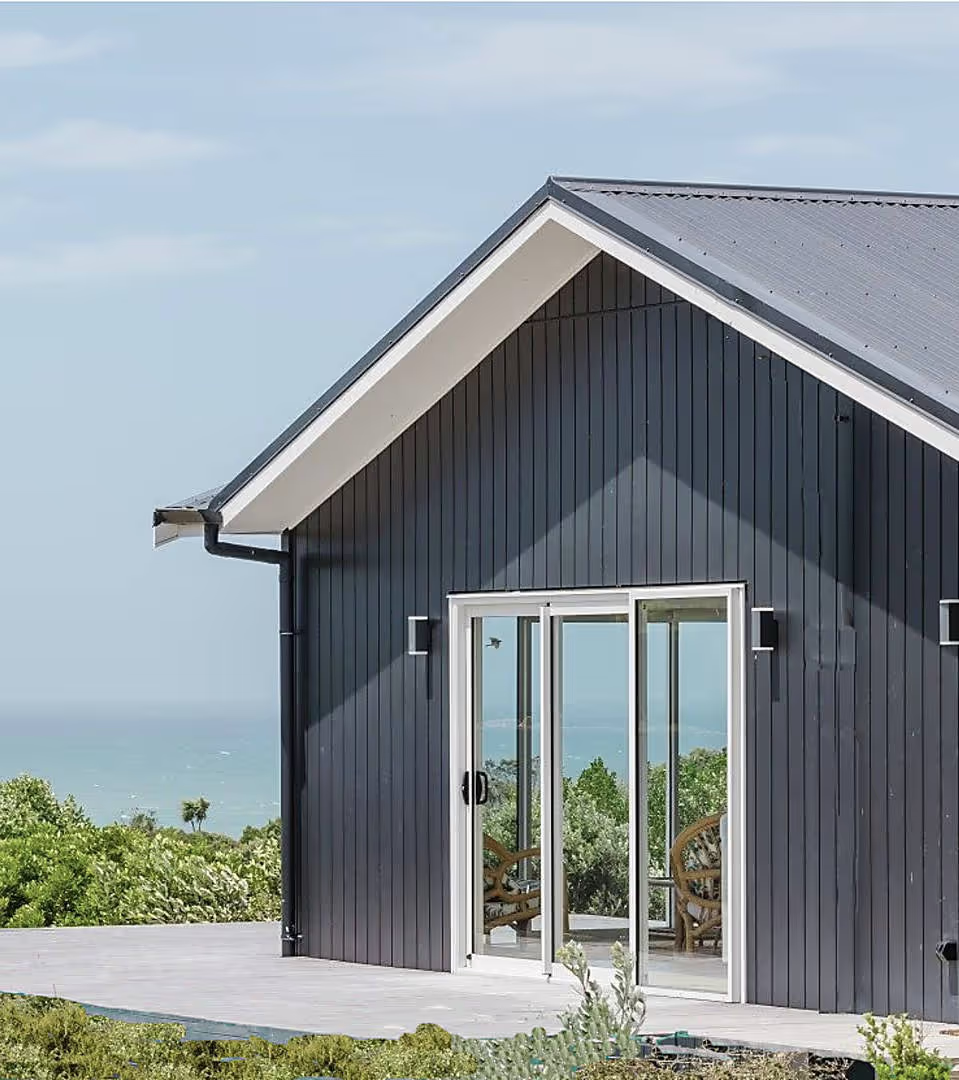
- Less Site Disturbance: The factory construction of modular homes means less disturbance to the building site. This is particularly advantageous in sensitive environmental areas, where limiting the disruption to the landscape can help preserve the local flora and fauna.
Additionally, should requirements change, the house can be relocated and reused, instead of being demolished.
.avif)
Aligning cost-effectiveness with eco-friendliness
One of the most compelling aspects of modular and transportable homes is their affordability. The efficiency of factory production reduces labour costs and timelines, which in turn lowers the overall cost of the home. Here’s how modular homes marry affordability with eco-friendliness:
- Efficient Construction: The speed of construction in a factory setting not only saves money but also reduces the carbon footprint associated with prolonged construction processes. Faster build times mean less energy used during production.
- Reduced Transportation Costs: While the homes themselves need to be transported to the site, the bulk transportation of assembled sections is often more efficient than multiple trips to transport raw materials and equipment for on-site builds.
- Long-Term Savings: The initial cost savings are just the beginning. The energy-efficient design of modular homes can result in significant savings on utility bills. Additionally, the durability of the materials used can reduce maintenance costs over the lifetime of the home.
The future of housing: Towards a sustainable world
The shift towards eco-friendly homes is not just a trend but a necessary move towards sustainable living. As technology advances, modular and transportable homes are set to become even more efficient and environmentally friendly. These homes represent a practical solution to many of the environmental challenges posed by traditional construction methods, offering a pathway to a more sustainable and economically feasible living environment.
Eco-friendly homes, particularly modular and transportable ones, offer a realistic solution for reducing our environmental footprint. They align the need for affordable housing with the imperative of ecological responsibility. As more individuals and developers adopt this building method, we can expect to see a significant shift in how communities are constructed, from single eco-homes to entire eco-conscious neighbourhoods. Embracing modular and transportable homes is not just choosing a place to live, but choosing a future for the planet.
.avif)